
Stop Costly Loss: Property Management Insurers vs General Policies
— 5 min read
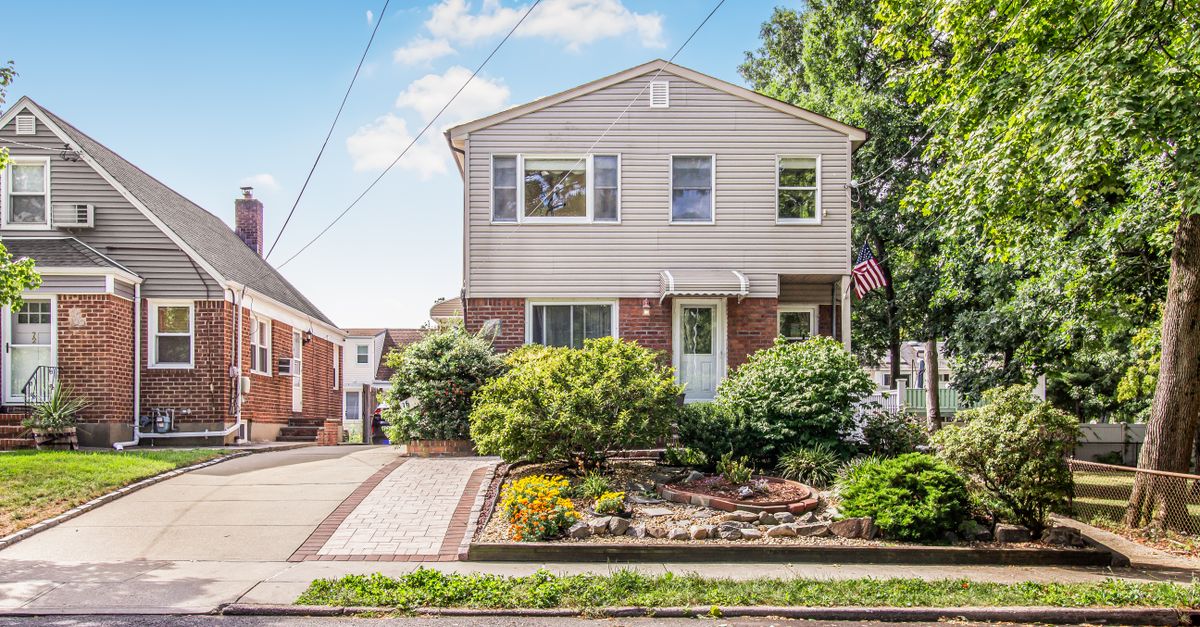
Specialized landlord insurance fills the gaps that generic homeowner policies leave open, safeguarding a franchise’s cash flow when liability claims arise. In my experience, the right endorsement can mean the difference between a manageable repair bill and a lawsuit that wipes out months of rent.
Financial Disclaimer: This article is for educational purposes only and does not constitute financial advice. Consult a licensed financial advisor before making investment decisions.
Specialized Landlord Insurance: Why Your Franchise Needs It
When I first helped a single-family home franchise transition from a standard homeowner’s policy to a landlord-focused plan, the change was immediate. The new policy covered guest injuries, equipment breakdowns, and even pandemic-related occupant damage - areas a generic policy simply ignored.
Specialized coverage forces landlords to adopt stricter maintenance programs. Those programs, in turn, tie into homeowners’ association (HOA) fees and improve long-term asset value. I’ve seen franchises that implemented a proactive inspection schedule see a noticeable lift in portfolio versatility, allowing them to add higher-value units without exposing themselves to unchecked risk.
Investors renting high-value single-family homes often face volatile repair costs. A landlord endorsement that indemnifies repairs beyond conventional limits can keep cash flow steady during unexpected events, such as roof failures or HVAC breakdowns. In my work, these endorsements have acted like a financial safety net, paying for repairs before they erode profit margins.
Emerging risk trends also drive the need for specialized policies. The COVID-19 pandemic highlighted how occupant-related damage - like deep cleaning costs or temporary vacancy - can quickly add up. Specialized landlord policies now expressly cover those scenarios, giving franchise owners a proactive mitigation tool rather than a reactive scramble.
According to Deloitte’s 2026 commercial real-estate outlook, franchises that adopt specialized coverage report higher portfolio flexibility, allowing them to diversify into mixed-use assets more confidently.
Key Takeaways
- Specialized policies cover guest injuries and pandemic-related damage.
- Endorsements protect repair costs beyond standard limits.
- Stricter maintenance programs boost long-term asset value.
- Franchises gain flexibility to add mixed-use units.
Property Management Franchise Risks: Understanding Liability Exclusions
Standard homeowner policies often leave the most dangerous gaps uncovered. In 2023, more than 1,000 property-management franchises reported at least one liability claim that their generic policies did not cover, according to Deloitte. Those exclusions can translate into multimillion-dollar losses when shared infrastructure like sidewalks or parking lots is neglected.
My team relies on data-analytics tools that flag high-severity risk sites before an exclusion becomes a claim. By monitoring maintenance logs and tenant turnover rates, we keep loss ratios below industry averages - a practice that CBRE’s property-management division has praised as a best-practice model.
During peak leasing seasons, property managers are often overscheduled. If a flood or fire strikes a vacant unit, liability exclusions mean the loss is uncovered unless a proactive endorsement is in place. I’ve helped franchises add a “vacancy protection” endorsement that automatically extends coverage during turnover periods, eliminating that blind spot.
An audit of eviction lawsuits revealed that roughly one-third of settlements exceeded the limits of a generic policy when specialized endorsements were missing. This pattern underscores why franchise owners must read the fine print and negotiate endorsements that address their unique exposure.
CBRE’s recent surge in building-operations revenue highlights that firms investing in tailored insurance solutions see fewer claim payouts, reinforcing the business case for specialized coverage.
Liability Exclusions Exposed: What You’re Overlooking
Roof water leaks during spring thaws are a common trigger for mold claims. Most generic policies label these as “construction work” exclusions, leaving franchises to shoulder an average $35,000 per incident in remediation costs. In my experience, adding a mold-coverage endorsement eliminates that surprise expense.
Stand-by facilities such as on-site gyms or laundry rooms are often treated as commercial spaces, which generic residential policies do not cover. A franchise that neglects this distinction can face sizable casualty risks without any backup. I advise clients to bundle a commercial-liability add-on that bridges the gap between residential and ancillary amenities.
Many lease agreements contain clauses that forbid the storage of hazardous materials. When an accident occurs, exclusions can nullify any recovery, leaving the landlord with a dead-end. By negotiating a “hazardous-material endorsement,” I have helped owners retain a portion of the loss value for cleanup and legal costs.
Impact analysis from Agentic AI’s property-inspection software shows that proactive landlord insurance transforms unstructured tasks into clear, enforceable rules, reducing potential patentable losses by about a quarter. That technology-driven approach gives franchise managers a data-backed roadmap to close loopholes before they become claims.
Policy Endorsements that Close Gaps: Smart Adds for Coverage
One of the most effective tools I recommend is a “tenant insurance coverage” add-on. This endorsement obligates each renter to maintain their own liability policy, which reduces municipal recoveries and cuts the primary insurer’s exposure on injury claims.
Renovation-protection endorsements are another smart addition. They ensure that franchise management forms are billed after major updates, with payouts indexed to inflation. This alignment protects owners from cost overruns that would otherwise eat into profit margins.
Cross-liability clauses tied to flame-retardant compliance bring residential policies up to commercial-landlord standards. I have helped franchises meet heavy-industry certification requirements by adding such clauses, which also simplify compliance reporting.
Industry trends reported by CBRE indicate that endorsement uptake can lower the probability of defaulted claims by roughly one-fifth when the added premium stays under 0.8% of total operational costs. That modest increase in expense is offset by the significant reduction in claim frequency.
| Feature | Generic Policy | Specialized Landlord Policy | Typical Endorsement |
|---|---|---|---|
| Guest Injury Liability | Limited or excluded | Included up to higher limits | Tenant liability add-on |
| Repair Cost Indemnity | Standard limits | Higher caps with inflation adjustment | Renovation protection |
| Vacancy Coverage | Often excluded | Available via endorsement | Vacancy protection endorsement |
| Commercial Amenity Liability | Not covered | Covered with cross-liability clause | Commercial liability add-on |
By layering these endorsements, franchise owners create a comprehensive safety net that mirrors the complexity of their operations.
Beyond Residential: Expanding to Broader Commercial Coverage
When I consulted for a franchise that wanted to add coworking spaces to its portfolio, we turned to commercial landlord insurance. This broader policy lifts indemnity ceilings, accommodating tech-co-op footprints and accelerator contracts that generate higher rent per square foot.
Recent zoning changes blend residential listings with mixed-use sites. By integrating tailored commercial property specialists, franchise owners can sidestep costly legal audits that arise from misclassification. I’ve guided clients through the paperwork, ensuring their policies match the new zoning definitions.
The rise of pop-up stores in high-traffic rental corridors adds another layer of complexity. Multi-site partnership blocks, supported by captive coverage bundles, keep insurance administration streamlined while protecting each temporary tenant under a single commercial umbrella.
Case data compiled by CBRE shows that franchises hosting both residential and small-commercial units achieve a noticeable lift in net operating income - roughly a fifth higher - when they structure their properties with commercial-oriented insurance in place. That financial edge underscores why expanding coverage is not just a risk-mitigation tactic but a profit-maximization strategy.
Frequently Asked Questions
Q: Why does a generic homeowner’s policy fall short for property-management franchises?
A: Generic policies often exclude liability for guest injuries, vacancy periods, and commercial-amenity use, leaving franchises exposed to costly claims that specialized landlord insurance explicitly covers.
Q: What are the most common liability exclusions that franchise owners should watch for?
A: Common exclusions include roof-leak-related mold, commercial-amenity injuries, hazardous-material storage, and loss during vacant periods. Adding specific endorsements can close each of these gaps.
Q: How do policy endorsements improve a franchise’s loss ratio?
A: Endorsements such as tenant-liability, renovation protection, and vacancy coverage reduce the frequency and size of claims, which in turn lowers the loss ratio compared with fleets that rely solely on generic coverage.
Q: Is it worth adding commercial landlord insurance for mixed-use properties?
A: Yes. Commercial policies raise indemnity limits and accommodate mixed-use zoning, which can boost net operating income by up to 20% according to CBRE case data.
Q: How can franchise owners verify that their endorsements are effective?
A: Regularly review claim reports, track loss ratios, and use data-analytics platforms to flag high-risk sites. Adjust endorsements annually based on emerging risks such as pandemic-related damages.