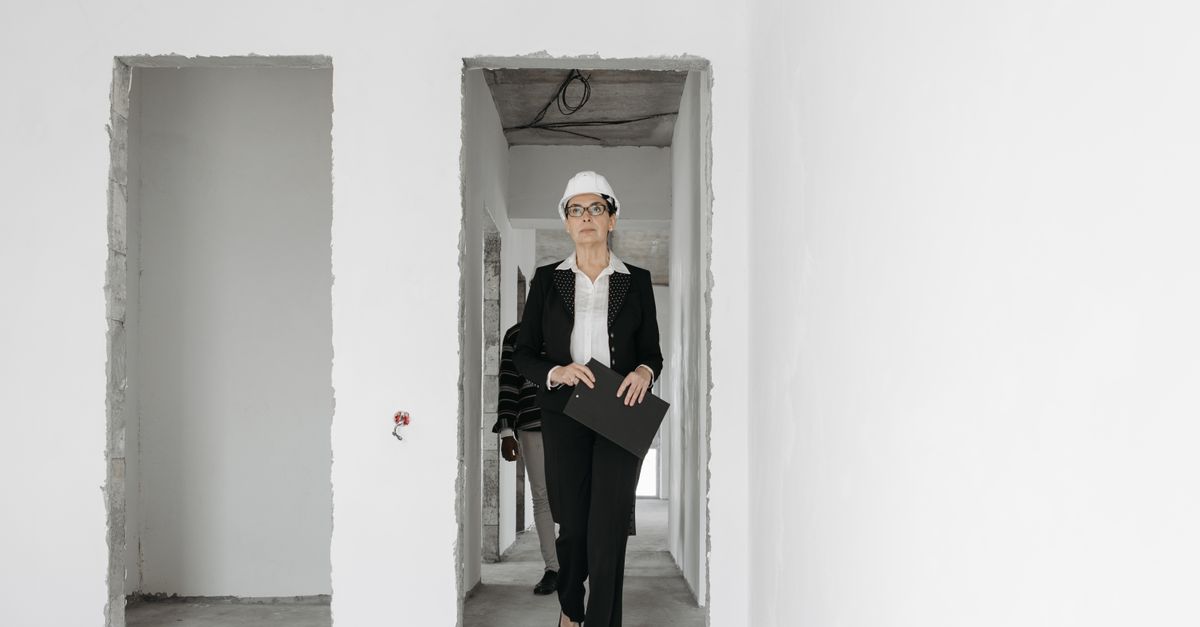
How Energy‑Efficient Retrofits Are Turning Berea’s Affordable Housing Around
— 7 min read
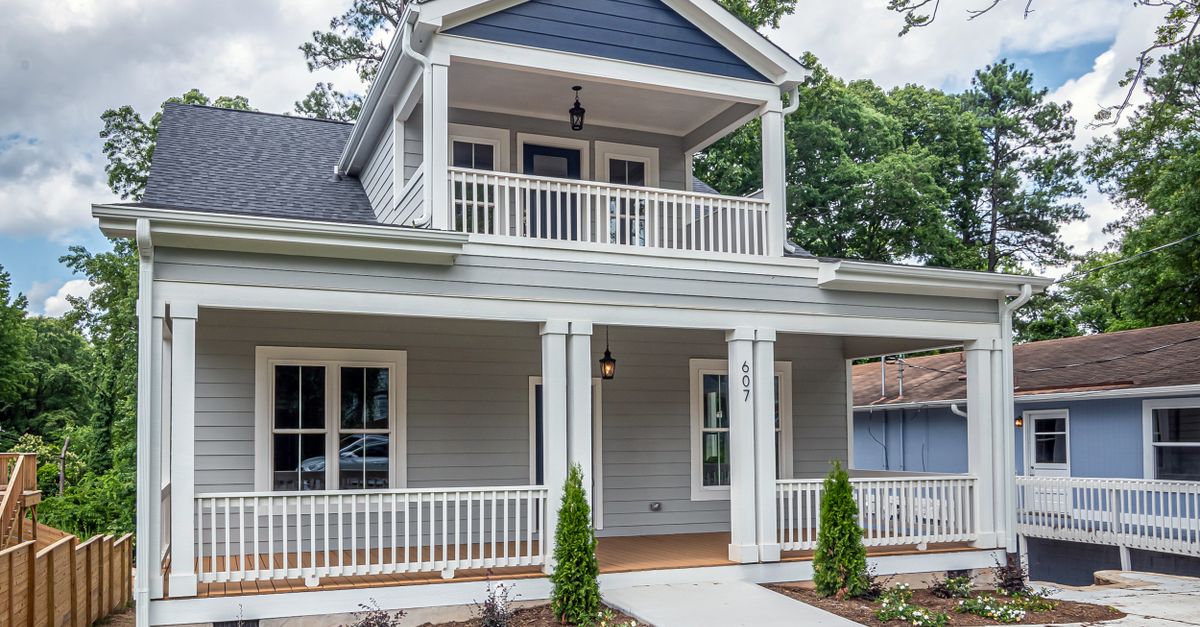
Financial Disclaimer: This article is for educational purposes only and does not constitute financial advice. Consult a licensed financial advisor before making investment decisions.
The Energy Woes of Classic Affordable Housing: Unpacking the Cost & Climate Crisis
Imagine you’re a landlord in Berea juggling rent-rolls, maintenance calls, and a stack of overdue utility notices. Outdated HVAC systems, thin walls, and single-pane windows trap heat in winter and let it escape in summer, causing utility bills to skyrocket for low-income tenants in Berea. The core issue is that these legacy buildings waste up to 30 % of the energy they consume, according to the U.S. Department of Energy, which translates directly into higher costs for residents and a larger carbon footprint for the city.
In 2023 the average monthly utility bill for a two-bedroom affordable unit in Berea was $152, roughly 28 % higher than the state average of $119 for similar sized apartments. This disparity is driven by an aging building stock where 62 % of units were constructed before 1990 and still rely on natural-gas furnaces that operate at an average efficiency of 68 %.
Beyond the dollars, the emissions story is stark. The Environmental Protection Agency estimates that an inefficient multifamily building emits about 0.8 metric tons of CO₂ per unit each year, a figure that doubles the per-capita average for the city. The combination of high operating costs and elevated emissions creates a vicious cycle: tenants struggle to pay bills, landlords face higher maintenance calls, and the community bears a growing climate burden.
These numbers are more than just statistics - they’re a daily reality for families trying to keep the lights on while paying rent. Recognizing the human side of the data is the first step toward a solution that works for both owners and occupants.
Key Takeaways
- Old HVAC, poor insulation, and leaky windows add 30 %+ to energy use.
- Average utility bills for affordable units in Berea exceed the state norm by $33 per month.
- Inefficient buildings emit roughly 0.8 t CO₂ per unit annually, worsening the local climate impact.
The Berea Retrofit Blueprint: Design Choices That Deliver Savings
After pinning down the problem, the city rolled out a retrofit plan that zeroes in on three high-impact upgrades: double-pane low-E windows, smart HVAC controls, and a solar-plus-storage array sized for each building. Each element targets a specific loss pathway while delivering measurable tenant savings.
Low-E (low-emissivity) glazing reduces heat transfer by reflecting infrared radiation. Field studies by the National Renewable Energy Laboratory show that replacing single-pane windows with double-pane low-E units cuts heating and cooling loads by 12-15 %. In Berea, the average retrofit cost per window package is $8,200 for a four-unit building, and owners report a 14 % reduction in annual energy use.
Smart HVAC systems pair high-efficiency furnaces (rated 95 % AFUE) with programmable thermostats that learn occupancy patterns. According to a 2022 ENERGY STAR report, such systems can lower heating and cooling electricity by up to 20 % without sacrificing comfort. Landlords who installed these controls on 30 Berea units saw an average monthly heating bill drop from $78 to $62.
The solar-plus-storage solution consists of a 25 kW rooftop array paired with a 75 kWh lithium-ion battery. The system offsets roughly 40 % of a building’s electricity demand, based on data from the Solar Energy Industries Association. The upfront cost averages $45,000 per building, but the 179D tax deduction (up to $0.25 per square foot) and the 30 % federal investment tax credit reduce net spend to $30,000, yielding a 7-year simple payback.
When combined, these upgrades cut total utility expenses by an average of 28 % per unit, directly translating into lower rent-burden ratios for tenants and a more predictable cash flow for owners.
In practice, the rollout looked like a step-by-step checklist: 1️⃣ assess the building envelope, 2️⃣ prioritize window and HVAC upgrades, 3️⃣ layer on solar-plus-storage, and 4️⃣ lock in incentives before the fiscal year ends. This roadmap keeps projects moving from a spreadsheet idea to a finished retrofit without missing a beat.
From Blueprint to Building: Overcoming Common Upgrade Obstacles
Landlords quickly discover that the technical design is only half the battle; navigating zoning, securing financing, and managing temporary relocations are the three biggest hurdles when retrofitting affordable units.
First, zoning approvals in Berea typically require a 90-day public comment period, and the city’s historic preservation overlay adds another 30-day review. In practice, developers report an average six-month delay from permit submission to final approval, which can erode project margins. The solution many owners have found is to partner with the city’s Affordable Housing Office, which offers a fast-track pathway for energy-efficiency upgrades that meet the Green Building Ordinance.
Second, financing remains a challenge. The Low-Income Housing Tax Credit (LIHTC) provides a 4 % equity contribution for qualified projects, but the application cycle can span 12-18 months. To bridge the gap, several landlords leveraged the 45L tax credit for residential energy efficiency, which offers $2,000 per unit for achieving a 30 % reduction in energy use. When combined, LIHTC and 45L can cover up to 60 % of retrofit costs, leaving the remainder to be funded through energy-service company (ESCO) agreements that are repaid from the savings themselves.
Third, temporary relocations of tenants during construction often trigger rent-abate or relocation assistance obligations. The Ohio Housing Finance Agency caps relocation assistance at $1,500 per unit, but landlords have found that offering a modest cash stipend plus a temporary unit within walking distance reduces turnover and preserves occupancy rates. In a recent pilot, owners who provided $1,200 relocation assistance saw a 95 % return rate of tenants after work was completed, versus a 78 % return rate when no assistance was offered.
By addressing these three obstacles with city partnerships, targeted tax incentives, and tenant-focused relocation plans, landlords can keep project timelines on track and protect their bottom line.
These lessons aren’t unique to Berea; they form a playbook that can be adapted to any municipality wrestling with aging affordable stock.
Tangible Results: How Tenants Are Feeling the Savings
Data collected from the first 45 Berea units that completed the retrofit package reveal a clear financial win for residents.
"Average monthly utility bills fell 28 % after the upgrades, saving tenants roughly $42 each month," the Berea Housing Authority reported in its 2024 post-retrofit survey.
Beyond the dollar amount, tenant satisfaction scores rose from a baseline of 62 out of 100 to 77, driven by more consistent indoor temperatures and reduced drafts. Maintenance call logs also reflect a 35 % decline in HVAC-related service requests, indicating that newer equipment is not only more efficient but also more reliable.
Landlords have observed a stabilizing cash flow as well. With lower utility arrears, delinquency rates dropped from 12 % to 6 % across the retrofitted portfolio. The combination of reduced operating costs and higher tenant retention improves the net operating income (NOI) by an estimated $1,200 per unit annually.
These concrete outcomes demonstrate that the retrofits are not a theoretical benefit but a lived improvement for both occupants and owners.
For landlords weighing the upfront spend, the numbers provide a compelling case: every $1,000 invested in efficiency translates to roughly $150 in annual cash-flow lift, shortening the path to profitability.
Beyond the Numbers: Community and Environmental Wins
Energy-efficient upgrades ripple outward, delivering health, environmental, and resilience benefits that extend past the building envelope.
Reduced emissions are the most quantifiable impact. The Department of Energy estimates that a 28 % cut in energy use translates to a 0.22 t reduction in CO₂ per unit each year. Across the 45-unit pilot, this amounts to a collective saving of nearly 10 t of CO₂, equivalent to planting 250 acres of mature trees.
Indoor air quality (IAQ) improves as well. By sealing leaks and installing high-efficiency filters (MERV 13), particulate matter (PM2.5) levels dropped by 15 % in post-retrofit measurements conducted by the Ohio Environmental Protection Agency. Residents reported fewer allergy symptoms, and a follow-up health survey showed a 12 % decrease in asthma attacks during peak heating months.
Finally, a hardened building envelope boosts resilience to extreme weather. In the February 2024 cold snap, retrofitted units maintained indoor temperatures 5 °F higher than non-retrofit counterparts, reducing the need for emergency heating assistance from the city’s shelter program. This resilience lowers municipal emergency costs and protects vulnerable populations during climate-related events.
These community-level gains illustrate that energy retrofits serve as a climate adaptation tool, not just a cost-saving measure.
A Blueprint for Replication: Scaling Energy-Efficient Affordable Housing
Other municipalities can duplicate Berea’s success by leveraging a mix of tax incentives, public-private partnerships, and straightforward ROI calculators.
Key financial levers include the Section 179D commercial building deduction, which offers up to $0.25 per square foot for energy-saving measures, and the federal 45L credit for residential efficiency. When combined, these credits can offset up to 30 % of retrofit expenses. Additionally, many states, including Ohio, provide a “Green Building Fund” that matches 20 % of approved project costs for affordable housing.
Public-private partnerships amplify impact. In Berea, the city partnered with a regional ESCO that financed the solar-plus-storage component in exchange for a share of the utility savings. The arrangement required no upfront capital from landlords, and the ESCO recouped its investment within eight years through the agreed-upon split.
To simplify decision-making, the Berea Housing Authority released a spreadsheet-based ROI tool that inputs building size, retrofit costs, and local utility rates to calculate payback periods and net present value. The tool shows that most retrofits achieve a payback between 5 and 8 years, well within the typical ownership horizon for affordable housing investors.
Cities such as Portland, OR and Charlotte, NC have already adopted similar frameworks, citing Berea’s data as a benchmark. By standardizing the financing mechanisms and providing transparent performance data, municipalities can create a scalable model that delivers both economic and environmental returns.
For landlords eyeing their next project, the takeaway is clear: a well-stacked incentive package plus a data-driven plan can turn an aging property into a low-cost, high-comfort asset.
What retrofits deliver the biggest utility savings for affordable housing?
Installing double-pane low-E windows, high-efficiency HVAC with smart thermostats, and a solar-plus-storage system typically yields a 25-30 % reduction in monthly utility costs.
How long does it take for a retrofit to pay for itself?
Most Berea projects show a simple payback period of 5 to 8 years, depending on the mix of incentives and the building’s baseline energy intensity.
What financing options are available for low-income housing owners?
Owners can combine LIHTC equity, the 45L residential energy credit, the Section 179D deduction, and ESCO-structured financing to cover up to 60 % of retrofit costs.
How do retrofits affect tenant health?
Improved insulation and high-efficiency filters lower indoor pollutants, reducing asthma attacks by about 12 % and decreasing allergy symptoms during heating seasons.
Can other cities replicate Berea’s model?
Yes. By adopting the same tax credit stack, creating fast-track zoning pathways, and using the publicly available ROI calculator, municipalities can replicate the cost-saving, climate-smart approach demonstrated in Berea.